Myakka River State Park sits east of Sarasota, roughly an hour's drive from the Placida and Cape Haze area. It's one of Florida's largest state parks at about 37,000 acres, known for a treetop canopy walkway, airboat tours on Upper Myakka Lake, and some of the most reliable wild alligator viewing in the state.
Most families driving to Southwest Florida beaches pass within an hour of one of the largest state parks in Florida and never know it's there. Myakka River State Park doesn't have a beach, a pool, or a gift shop worth mentioning. What it has is a lake with more alligators per acre than almost anywhere else you can legally get close to one, a swinging bridge suspended in the treetops, and enough quiet that you can hear a bird land.
We host families out of Placida, on the Charlotte County mainland near Boca Grande, and Myakka is one of the trips we get asked about most for a change-of-pace day — usually from parents who've done the beach for three days straight and want one day that isn't sand.
Where is Myakka River State Park, and how far is the drive?
The park sits along State Road 72, east of downtown Sarasota, in the interior of Sarasota County. From the Placida and Cape Haze area — where our <a href="/seaside-boca/">Seaside Boca</a> home sits — it's roughly an hour's drive north and inland, mostly along two-lane roads through ranchland and scrub before the landscape opens into the park's wetland prairie.
It is a genuinely different Florida than the coast. No condos, no strip malls for the last twenty minutes of the drive — just palmetto flatwoods, cattle pasture, and then the park entrance.
How big is the park, and what's actually in it?
Myakka River State Park covers roughly 37,000 acres, making it one of the largest state parks in Florida. The Myakka River runs through the middle of it and widens into Upper Myakka Lake, a broad, shallow lake that is the park's main draw for wildlife viewing. Beyond the lake, the park holds pine flatwoods, hammocks, and a wide expanse of wetland prairie that floods seasonally and dries into open grassland the rest of the year.
What is the canopy walkway, and can kids handle it?
This is the thing people drive here for. Myakka's canopy walkway is a suspended swinging bridge built through the tree canopy, connected to an observation tower that rises above the tree line. Walking it puts you at treetop height, looking down into the hammock instead of up at it — a genuinely rare vantage point in Florida, where most nature trails keep you at ground level.
It does sway a little, which is the entire point, and most kids find that more thrilling than unsettling. The approach trail is short and flat. Budget thirty to forty-five minutes including the walk in, the bridge, the tower, and the walk back.
It puts you at treetop height, looking down into the hammock instead of up at it — a genuinely rare vantage point in Florida.
Will we actually see alligators?
Almost certainly, and that's the honest draw of this park. Upper Myakka Lake and its shorelines are known for consistent alligator sightings — sunning on the banks, drifting through the shallows, sometimes right along the park drive. Numbers are highest in the cooler months when alligators bask more visibly, but sightings happen year-round.
The rule that matters more than any tip: keep distance, keep children back from the water's edge, and never feed a wild alligator — it is illegal in Florida and it is exactly how alligators lose their fear of people. Every ranger station in the park will tell you the same thing, and it's worth repeating to kids before you get out of the car.
Is the airboat tour worth booking?
For most families, yes — it's the single best way to see the lake's wildlife up close without a hike. Airboat tours run on Upper Myakka Lake and put you at water level among the alligators, wading birds, and, at the right times of year, migratory species that stop over on the lake. The tours are narrated, run on a schedule, and are short enough that younger kids don't lose interest halfway through.
The trade-off is noise and a small added cost on top of the park entrance fee. If your family is sensitive to loud engines, the alternative is a slow drive along the park road at dawn or dusk, when alligators and wading birds are most active along the shoreline anyway — free, quieter, and nearly as reliable.
| Option | What you get | Best for |
|---|---|---|
| Airboat tour | Close, narrated wildlife viewing on the lake | Most families, especially first visit |
| Park drive at dawn/dusk | Free wildlife viewing from the car or a pullout | Budget days, noise-sensitive families |
| Canopy walkway + hiking trails | Treetop views, birdwatching, exercise | Every visit — pair with either option above |
What else lives in the park besides alligators?
Myakka's wetland prairie and lake draw a wide range of wading and migratory birds — herons, egrets, ibis, and roseate spoonbills are commonly reported, along with sandhill cranes on the drier prairie. Deer and wild hogs turn up along the trails, and a fenced wildlife area near the park entrance holds a small bison herd, descended from an early ranching-era herd kept on the property — a reliable, low-effort wildlife stop for families who don't want to commit to a long hike.
A Myakka day that actually works with kids
- Morning — Arrive early, before the day heats up. Drive the park road slowly, windows down, watching the shoreline.
- Mid-morning — Book the airboat tour if you're doing one; morning departures tend to be cooler and calmer on the water.
- Midday — Walk the canopy walkway and observation tower. Bring water; there's little shade on the approach.
- Early afternoon — Picnic at a shaded area, then decide: a short nature trail, or head back before the heat and afternoon storms build.
- Late afternoon — If you're staying nearby, dusk on the park road is prime wildlife-viewing light on the way out.
When should you visit?
Cooler months — roughly November through April — bring lower humidity, fewer bugs, and more visible alligator activity as they bask more in the sun. Summer visits are hot, buggy, and prone to afternoon thunderstorms, though the prairie and lake are at their greenest and fullest after the rainy season fills them back in. Go early in the day regardless of season; wildlife is most active in the cooler morning hours, and the park gets progressively hotter and quieter as the day goes on.
Pairing Myakka with a coastal stay
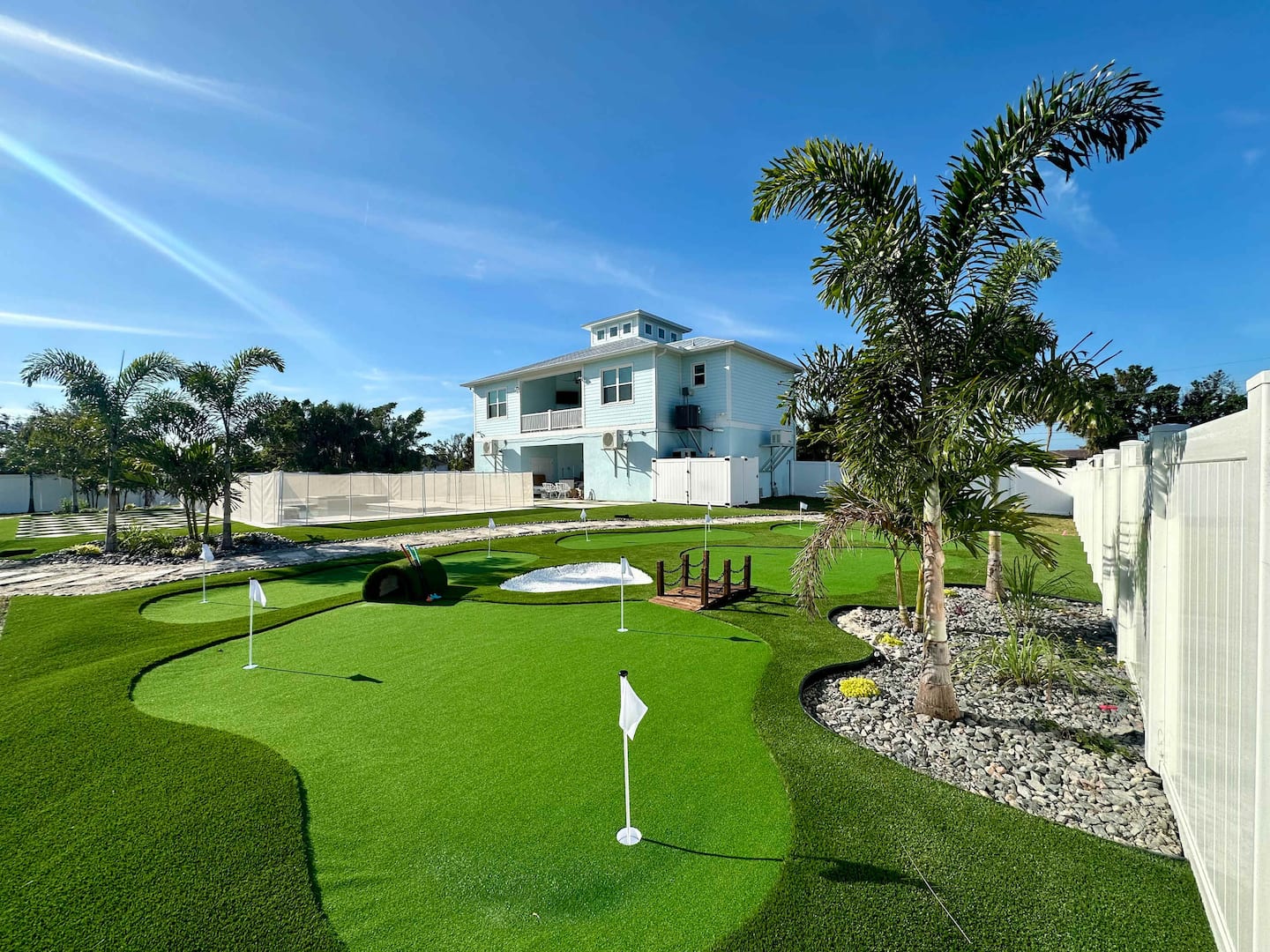
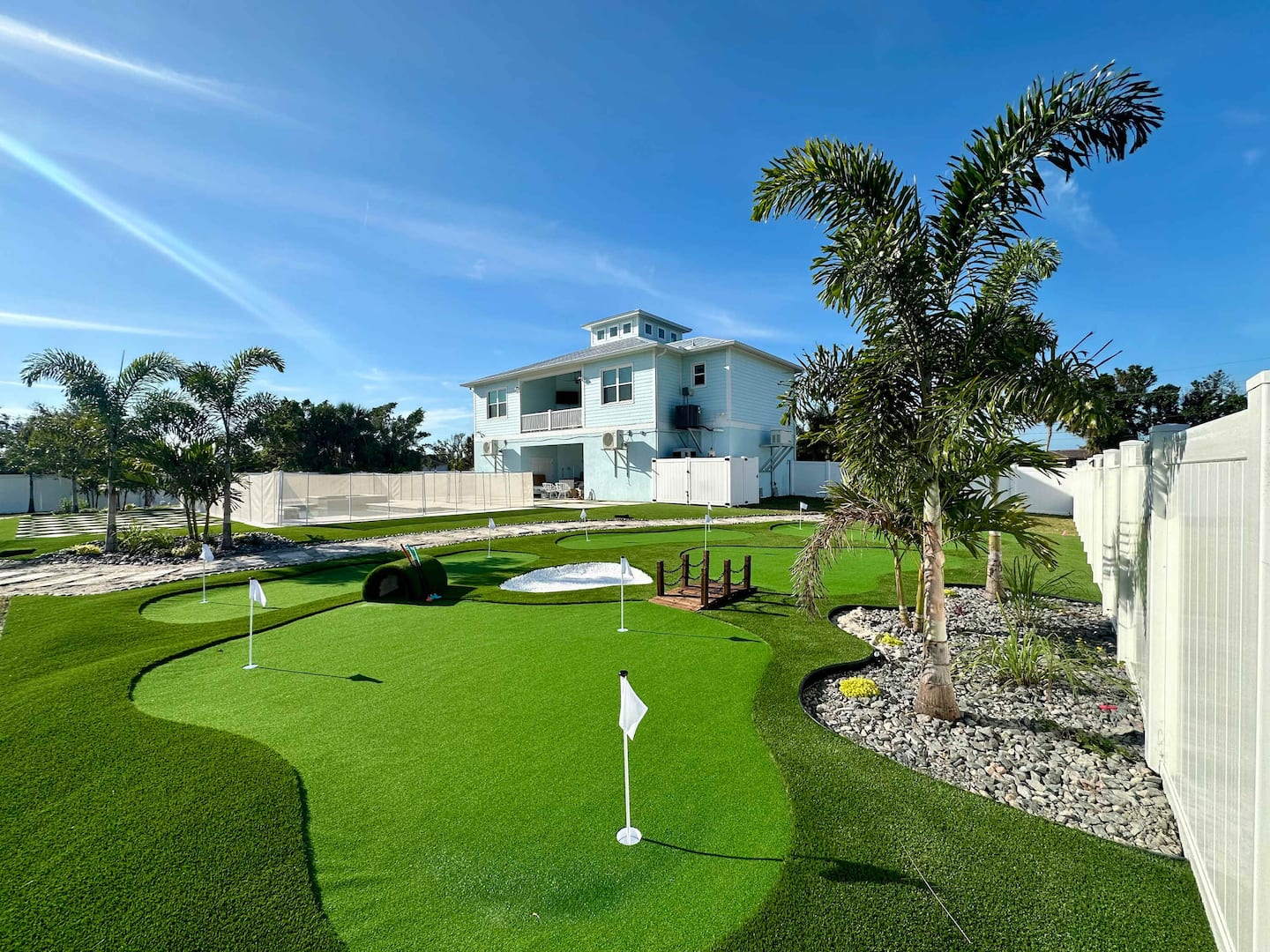
Myakka works best as one change-of-pace day inside a longer beach-based trip, not the whole vacation. Families staying at <a href="/seaside-boca/">Seaside Boca</a> in Placida typically build it in as a Tuesday or Wednesday break from the Gulf — the pool, hot tub, and mini golf at the house are exactly what tired legs want that evening. If you're weighing other inland day trips from the same base, our guide to <a href="/blog/port-charlotte-cape-haze-guide/">Port Charlotte, Placida & Cape Haze</a> covers what's closer to home, and our <a href="/blog/boca-grande-family-guide/">Boca Grande family guide</a> covers the coastal side of the same trip.
If wildlife-watching turns into the theme of your week, our guide to <a href="/blog/boat-rental-southwest-florida/">renting a boat in Southwest Florida</a> covers the coastal counterpart to an airboat day — dolphins and manatees instead of alligators and spoonbills.
So is Myakka worth the drive?
If your family wants one day that isn't a beach day — one that trades sand for a swaying bridge above the treetops and a lake with more alligators in view than you'll see anywhere else nearby — yes. It's an hour of driving for a genuinely different Florida, and most families are surprised how little effort it takes to make it a good day.
Myakka River State Park questions families ask
How far is Myakka River State Park from Placida and Boca Grande?
About an hour's drive north and inland from the Placida/Cape Haze area on the Charlotte County mainland, mostly along two-lane roads through ranchland before reaching the park on State Road 72 east of Sarasota.
Will we see alligators at Myakka River State Park?
Almost certainly. Upper Myakka Lake and its shorelines are known for consistent alligator sightings year-round, with the most visible basking activity in the cooler months. Keep distance from the water's edge and never feed wild alligators — it's illegal in Florida.
Is the canopy walkway safe and appropriate for kids?
Yes. It's a suspended swinging bridge through the tree canopy connected to an observation tower, reached by a short, flat approach trail. It does sway, which most children find thrilling rather than scary. Budget 30–45 minutes for the walk in, the bridge, the tower, and the walk back.
Is the airboat tour worth it, or can you skip it?
For most families it's worth booking — it's the closest, most reliable way to see the lake's alligators and birds up close, and tours are narrated and kept short for kids' attention spans. If you're sensitive to engine noise or budget-minded, driving the park road at dawn or dusk offers similar free wildlife viewing.
How big is Myakka River State Park?
Roughly 37,000 acres, making it one of the largest parks in the Florida state park system — large enough to include a wide wetland prairie, pine flatwoods, hammocks, the Myakka River, and Upper Myakka Lake.

Travel DRD - Free Land Vacations — IATA certified, IATAN and ASTA members, hosting families since 2007. We manage every home in this collection ourselves.
Last updated: July 14, 2026