Tarpon stage in Boca Grande Pass from roughly April through August, with May and June the peak. The pass connects Charlotte Harbor to the Gulf and reaches depths near 80 feet. Tarpon are catch-and-release only in Florida; fish over 40 inches must remain in the water, and the pass has its own gear restrictions.
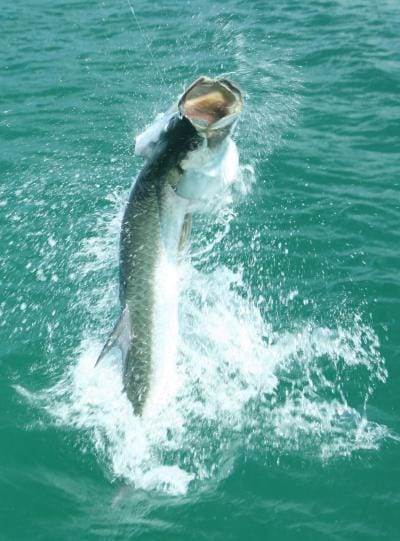
There is a stretch of water twenty minutes from our front door where, for a few months every year, tens of thousands of hundred-pound fish gather in one place. Boca Grande Pass is not called the Tarpon Capital of the World by a marketing department. It is called that because of what happens in it between April and August.
This is a practical guide for families staying nearby: when to come, what the law actually says, and whether to put a nine-year-old on that boat. We are not fishing guides — we host the families who hire them. That gives us a useful vantage point, because we hear about it afterward.
Why does this happen in this one pass?
Geography. Boca Grande Pass is the channel connecting Charlotte Harbor to the Gulf, and it is one of the deepest natural passes in Florida — reaching depths of around 80 feet. That depth, combined with enormous tidal flow moving bait through a narrow gap, creates a staging area where tarpon congregate before their offshore spawning run.
They arrive around April. They feed day and night through the summer. By May and June the pass is full of fish and, consequently, full of boats. Then they go, and the water becomes an ordinary beautiful place again until the following spring.
When exactly should you come?
| Window | Fishing | Trade-off |
|---|---|---|
| April | Fish arriving; building | Fewer boats, less certainty |
| May–June | Peak — the pass is loaded | Crowded water, peak lodging prices |
| July–August | Still strong; fish present | Heat, daily storms, better rates |
| Sept–March | No tarpon season | The island at its quietest and cheapest |
If the tarpon are the entire reason for your trip, come in May or June and book your captain months out — good ones fill early for those weeks. If tarpon are a bonus on a family beach trip, July works fine and the whole week costs less. See our <a href="/blog/boca-grande-family-guide/">Boca Grande family guide</a> for what everyone else does while one parent fishes.
The rules — read this part before you book
Tarpon are protected in Florida, and the regulations are stricter than most visitors expect. Getting this wrong is not a technicality; it is a citation.
- Catch-and-release only. Tarpon may not be harvested, with one narrow exception: pursuit of a state or world record, which requires a tarpon tag purchased before fishing begins.
- Tarpon tags are limited to one per person per year, with an exception for charter captains.
- Fish over 40 inches must stay in the water. You may briefly handle a tarpon for photos, measurement, and scientific sampling, but a fish over 40 inches does not come out of the water. This is the rule visitors most often break by accident, usually for a photo.
- Prohibited methods: snagging, snatch hooking, spearing, and multiple hooks used with live or dead natural bait.
- Boca Grande Pass has its own gear rule: you may not fish with a weight rigged so that it hangs below the hook, fly, or lure when the line is suspended vertically. This one is specific to the pass and catches out-of-town anglers regularly.
A fish over 40 inches does not come out of the water. That is the rule visitors most often break by accident — usually for a photo.
Regulations change. The FWC page is the authority, not this page, not a forum, and not your buddy who fished here in 2019. Check it before you go.
How to book a charter that is right for your family
A licensed captain handles the licensing question for you — anglers fishing from a properly licensed charter vessel are generally covered by the vessel's license, which is one reason a charter is simpler than trying to do this yourself. But not all charters are family charters, and the difference matters.
- Say the ages out loud when you book. A serious pass tarpon trip is long, hot, and technical. Tell the captain you have children and let them tell you honestly whether to do a half-day inshore trip instead.
- Ask what kind of trip it is. Fighting a hundred-pound tarpon for forty minutes is an adult activity. Inshore fishing in Charlotte Harbor — snook, redfish, trout — is the trip most kids actually enjoy.
- Ask about the boat. Shade, a head, and space to sit matter more than horsepower on a family trip.
- Book early for May and June. The best captains in the pass are booked out for the peak.
- Confirm the weather policy in writing. Summer afternoons here produce storms. Know what happens to your deposit.
Should you bring the kids?
Our honest answer, from years of hearing how it went: split the day. Send the anglers to the pass at dawn. Everyone else goes to the beach, the lighthouse, or the bike path. Then do a short inshore trip together later in the week, where the fish are smaller, the action is faster, and nobody is trapped on a boat in the sun for six hours during a fight they cannot participate in.
The families who force one big shared tarpon trip usually come back with one very happy person and several who are done with boats. The families who split it come back with a story each.
You can also just watch
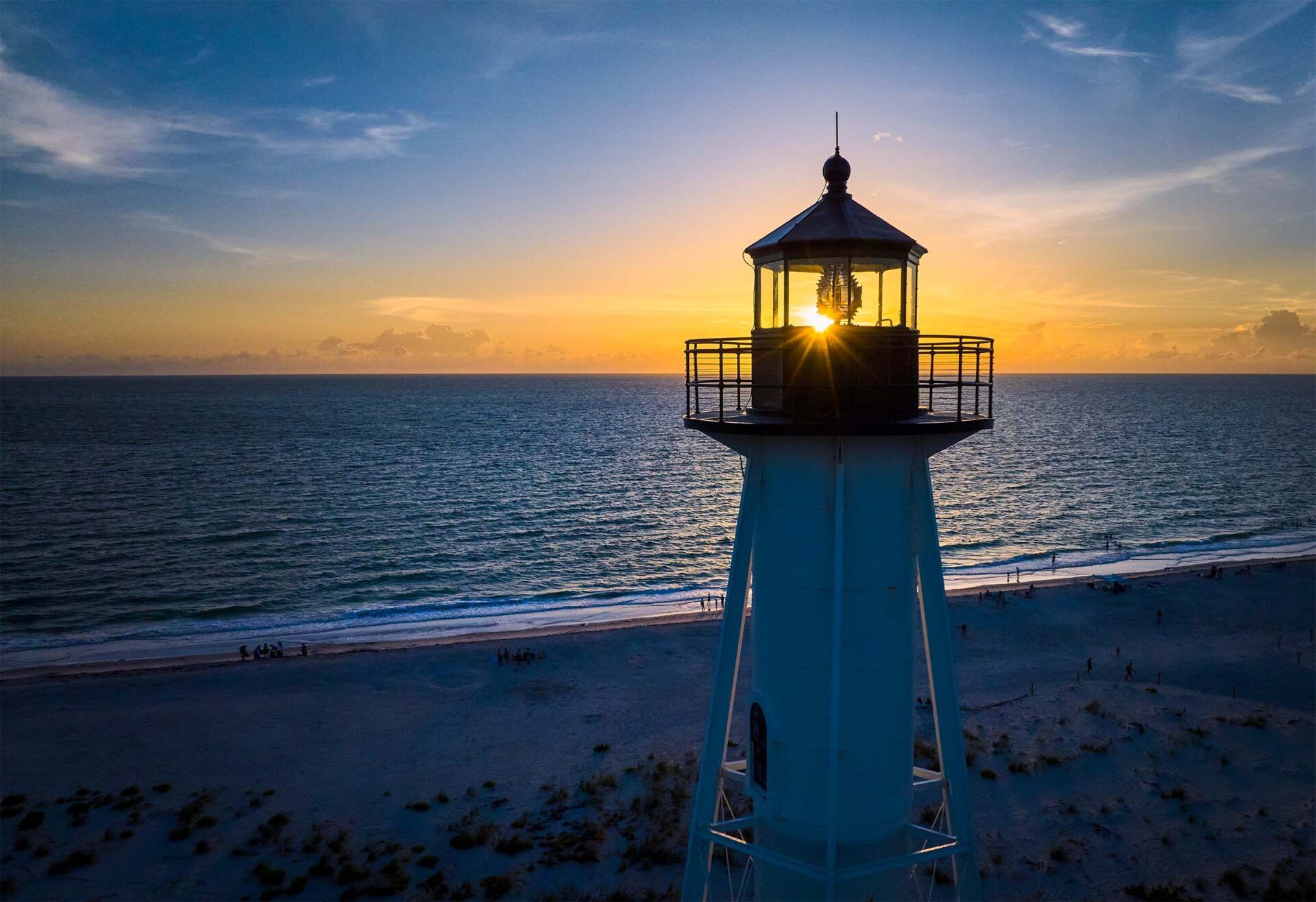
This is underrated. During peak season the pass is a spectacle — dozens of boats working the tide, fish rolling on the surface, tarpon in the air. You can see it from shore at the south end of Gasparilla Island near the Port Boca Grande Lighthouse, which was built in 1890 and now houses a museum covering exactly this fishery's history.
Go to the museum, learn why the pass matters, then walk out to the point and watch it happen live. That is a free morning that beats a lot of paid ones.
Where to base yourself
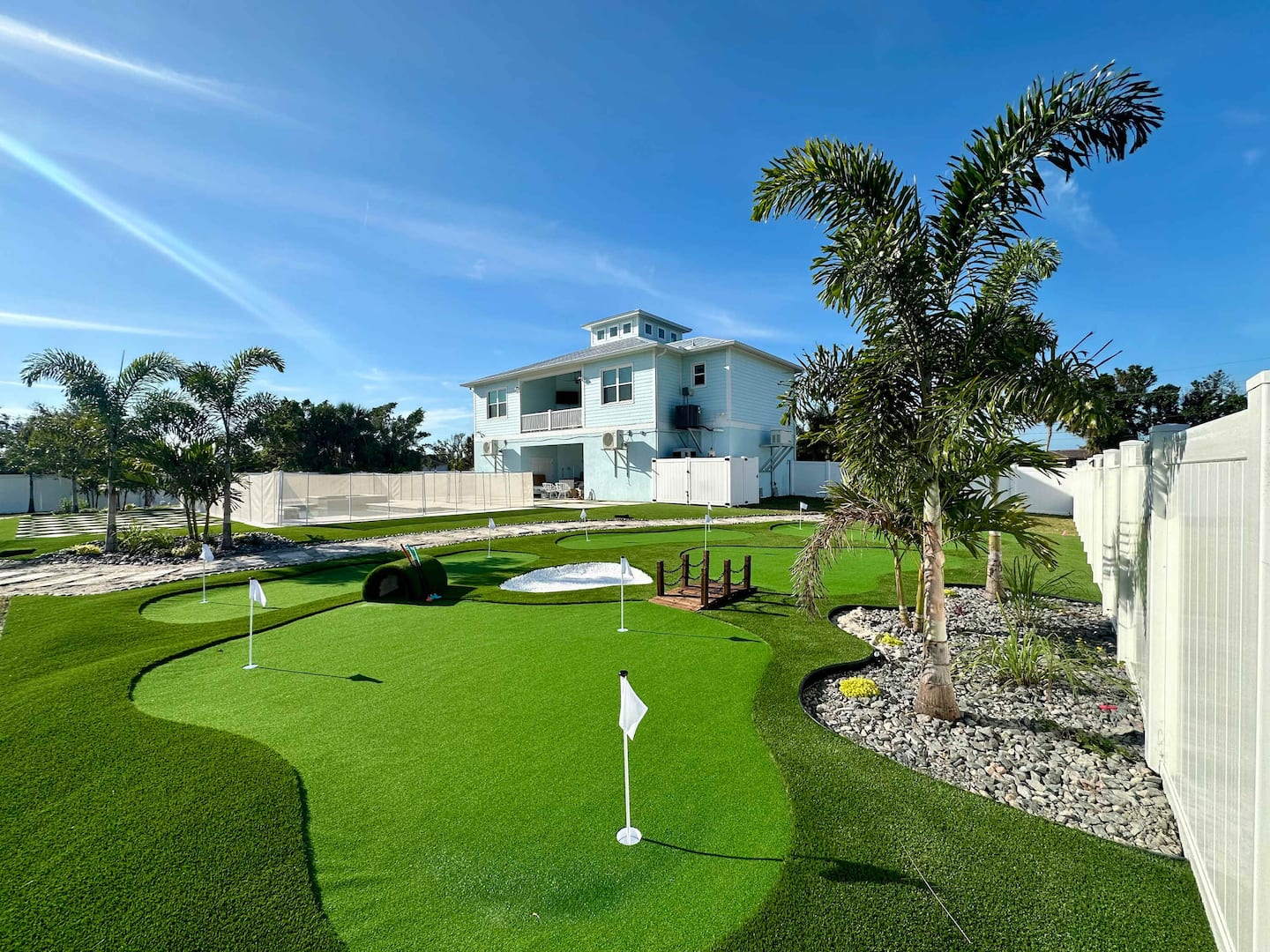
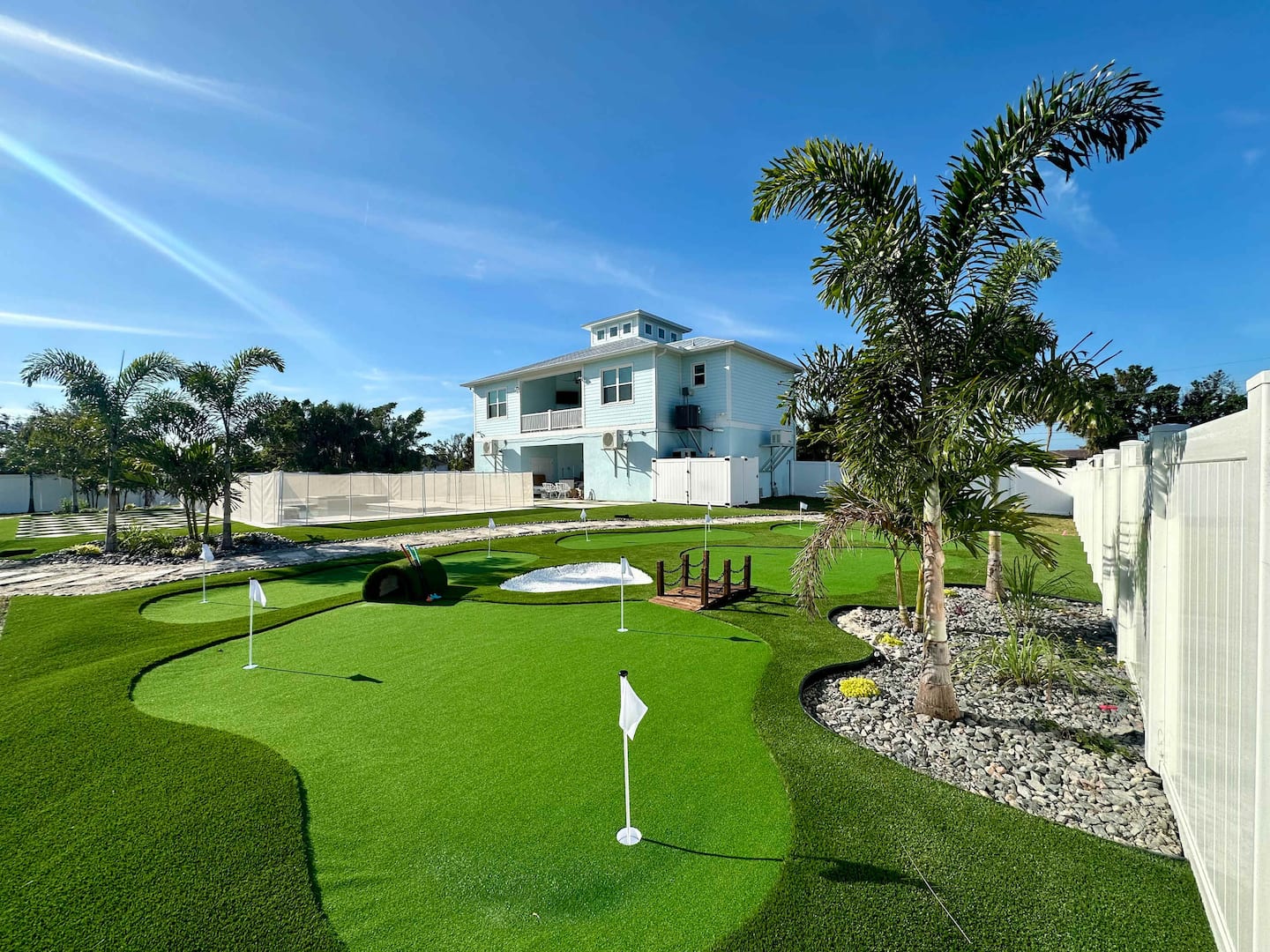
The marinas serving the pass are clustered around Placida and the Cape Haze peninsula, on the mainland side of the causeway — which is where <a href="/seaside-boca/">Seaside Boca</a> sits. It sleeps 10 across 3 bedrooms plus a bunk room and 3.5 baths, with dock access, a resort-style pool, an infrared sauna, a hot tub, a game room, mini golf, volleyball and soccer courts, a fire pit, a grill, and an EV charger.
The practical value on a fishing trip is dull and enormous: you are close to the boat ramps at five in the morning, and the non-fishing half of your family has an entire day's worth of things to do without a car. For everything else on the water, see our guide to <a href="/blog/boat-rental-southwest-florida/">renting a boat in Southwest Florida</a>.
What to actually bring on the boat
Charters supply the rods, the terminal tackle, the bait, and the licence coverage. What sinks a family day is everything else, and almost none of it is fishing equipment.
- Sun protection first. Long sleeves beat sunscreen. A buff, a real hat, and polarized sunglasses — which also let you see fish and manatees.
- Soft-sided cooler with more water than seems reasonable. Heat exhaustion ends more trips here than weather does.
- Non-marking soled shoes or bare feet. Ask your captain; many boats prefer bare feet.
- Motion sickness medication taken the night before, not when someone already feels ill. By then it is too late.
- Cash for the mate's tip. It is customary and frequently forgotten by visitors.
- A dry bag for phones. The pass gets wet.
And leave behind the expectation of a photograph you are not allowed to take. Plan for the picture the law permits — the fish in the water beside the boat — and everyone gets a better memory and no citation.
What else swims here when the tarpon are gone
Charlotte Harbor is a nursery, and the tarpon are only its most famous residents. Snook, redfish, and spotted seatrout are the inshore trio that make a September or February trip worthwhile, and they are far better suited to a child's attention span than a forty-minute battle with a hundred-pound fish.
Each of those species carries its own seasons, size limits, bag limits, and closures, and they change. Snook in particular has closed seasons that catch visitors out. Your captain will know the current rules — but if you are fishing on your own, the FWC regulations are the only source worth trusting.
Tarpon fishing questions before you book
When is tarpon season in Boca Grande?
Tarpon stage in Boca Grande Pass from roughly April through August, with May and June the peak months when the pass fills with boats. They gather there before moving offshore to spawn, feeding day and night through the summer.
Can you keep a tarpon in Florida?
No. Tarpon are catch-and-release only, with one narrow exception for pursuit of a state or world record using a tarpon tag purchased before fishing begins. Tags are limited to one per person per year, with an exception for charter captains.
Can you lift a tarpon out of the water for a photo?
Not if it is over 40 inches. Florida rules allow temporary possession for photography, measurement, and scientific sampling, but tarpon over 40 inches must remain in the water at all times. This is the rule visitors most commonly break by accident.
What gear is banned in Boca Grande Pass?
The pass prohibits fishing with a weight attached so that it hangs below the hook, fly, or lure when the line or leader is suspended vertically from the rod. Snagging, snatch hooking, spearing, and multiple hooks with natural bait are prohibited statewide.
Is tarpon fishing good for kids?
A full tarpon trip in the pass is long, hot, and physically demanding, and most children lose interest during a forty-minute fight. A shorter inshore charter in Charlotte Harbor for snook, redfish, or trout is usually the better family trip. Tell your captain the ages when booking.

Travel DRD - Free Land Vacations — IATA certified, IATAN and ASTA members, hosting families since 2007. We manage every home in this collection ourselves.
Last updated: July 14, 2026