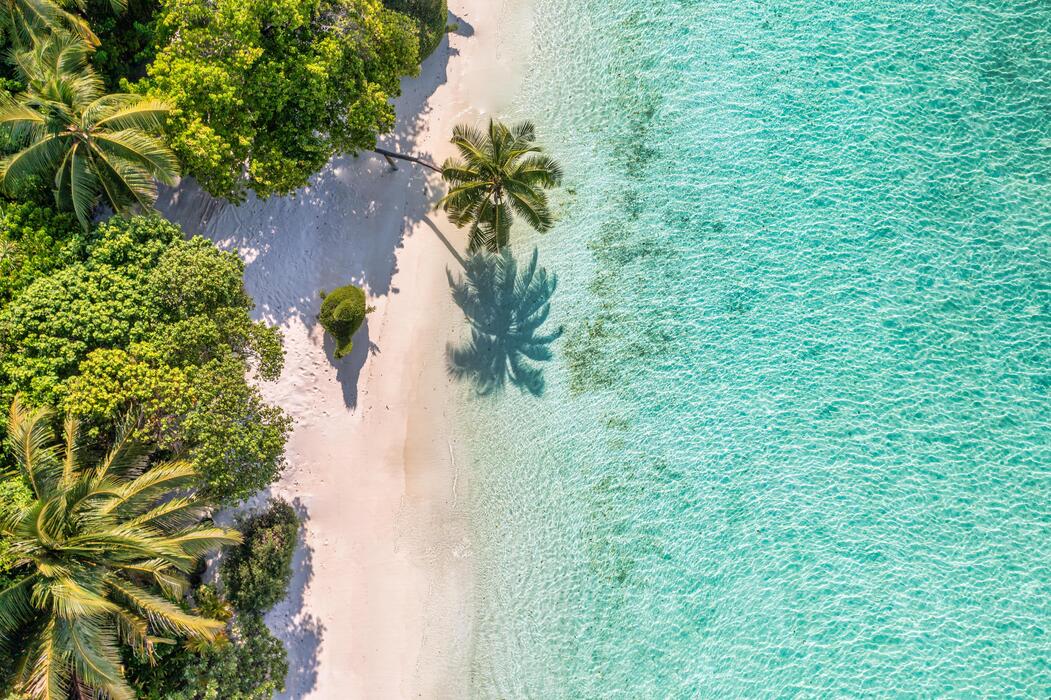
Boca Grande's winter runs roughly December through April: dry-season weather with highs in the low-to-mid 70s, lows near 50-55°F, and a fraction of the summer's rainfall. It's also the island's best shelling window, since cooler water and calmer surf push more shells onto the Gulf beaches. Crowds and lodging rates are lower than the April-August tarpon season, since the pass fishery hasn't started yet.
Most of what gets written about Boca Grande centers on one six-week stretch in late spring, when the tarpon stack up in the pass and the whole island organizes itself around the fishery. That's a real and famous thing. It's also not the only version of this island worth booking, and it's rarely the cheapest or calmest one.
We place families in Placida, minutes from the Boca Grande Causeway, across every season of the year, and the winter bookings are the ones that come back happiest with the fewest complaints about crowds, heat, or price. This is the honest case for the months nobody markets: December through April, when the island is at its quietest and the beaches are giving up their best shells.
What is Boca Grande actually like in winter?
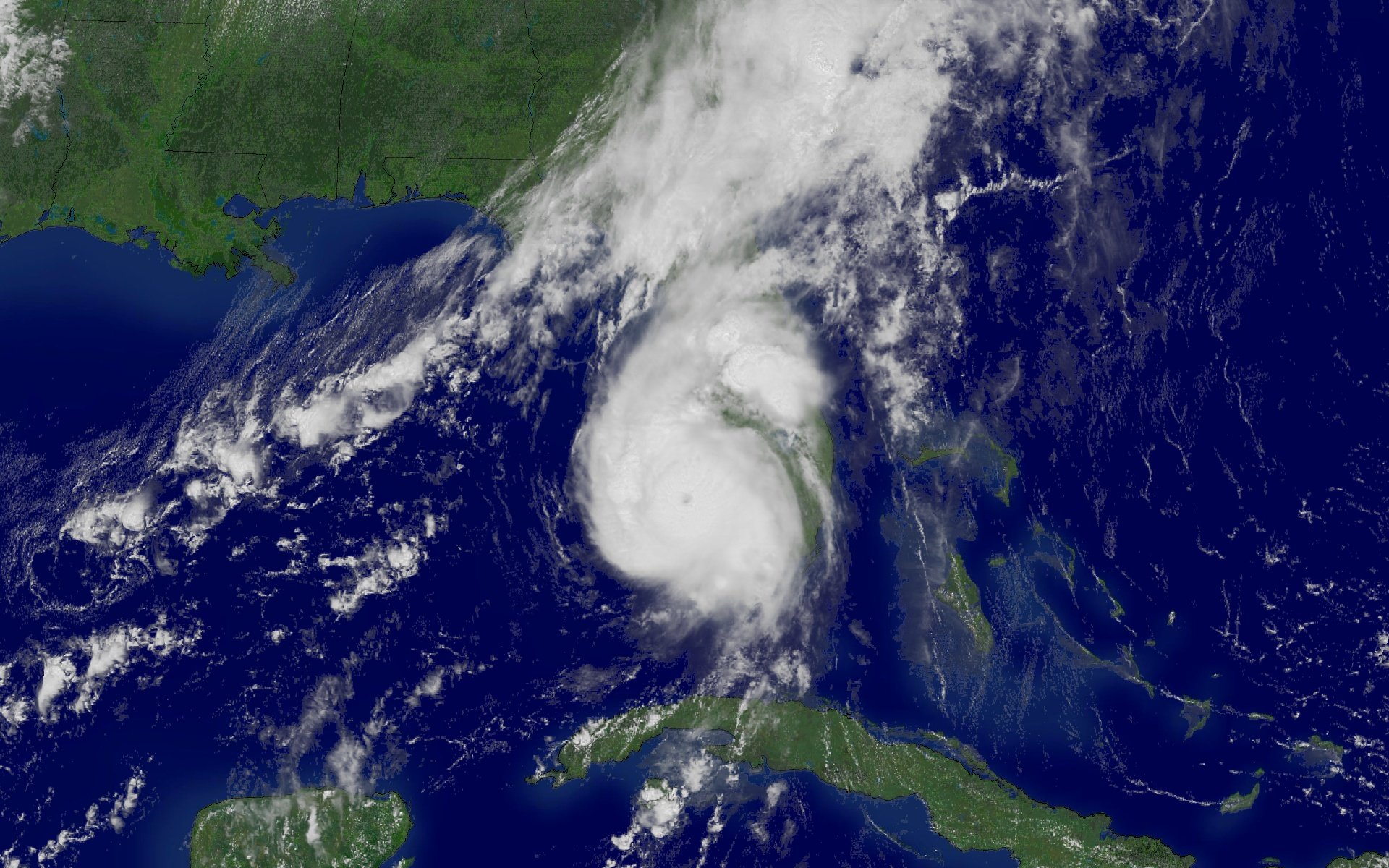
Southwest Florida's climate splits cleanly into a wet season and a dry season, and Boca Grande's winter falls squarely in the dry half. Using the nearest long-record NOAA climate station, average highs in December through February sit in the low-to-mid 70s, average lows drop into the low-to-mid 50s, and monthly rainfall runs under 2.5 inches — a fraction of the 9-10 inch months of summer. There's no hurricane risk in this window either; Atlantic hurricane season runs June through November.
That combination — cool mornings, dry afternoons, no afternoon thunderstorm clock to plan around — is what makes winter the easiest season to run a full day outside with kids. Summer in Southwest Florida means building every itinerary around a 2 p.m. storm. Winter means you mostly don't have to.
Why is winter the best shelling season?
Shelling on Gasparilla Island is a function of what the water is doing, and winter conditions favor it. Cooler water temperatures and calmer, more consistent surf through the dry season mean fewer storm systems churning the Gulf bottom and more shells settling gently onto the tide line instead of getting tumbled to pieces. Serious shellers on this coast already know this — it's the same seasonal logic that makes nearby Sanibel and Captiva famous shelling destinations, and Boca Grande's beaches inside Gasparilla Island State Park work the same way.
Summer in Southwest Florida means building every itinerary around a 2 p.m. storm. Winter means you mostly don't have to.
The practical routine: walk the tide line at or just after low tide, early morning before the wind picks up, along the Gulf-side beach access inside the state park. Bring a mesh bag, not a bucket — you want the sand to fall through as you sort. Low tides swing earlier in the morning during winter months on this coast, which happens to line up with the best light and the coolest walking temperature. Two advantages that arrive together instead of forcing a trade-off.
How much less crowded and expensive is it, really?
| Season | Crowds | What's driving it |
|---|---|---|
| Dec-Apr (winter/dry) | Light to moderate | Snowbirds present but no fishery rush; cool, dry, comfortable |
| May-Jun (tarpon peak) | Heaviest | Boca Grande Pass tarpon staging; anglers and charter boats fill the marinas |
| Jul-Aug (late tarpon) | High | Fish still present; heat and daily storms trade off against crowds |
| Sep-Nov (hurricane season) | Lightest, cheapest | Storm risk keeps demand down; best rates of the year |
Winter isn't the absolute cheapest window on the calendar — that's hurricane season, for the families willing to accept the storm risk and travel insurance conversation that comes with it (see our guide to <a href="/blog/hurricane-season-booking-florida/">booking Florida during hurricane season</a>). But winter is the best combination available: comfortable weather, no storm risk, and rates well under the May-June tarpon peak, when marinas and lodging fill for the fishery months out.
Who else is on the island in winter?
Snowbirds. Florida's traditional winter-resident season runs roughly the same window as the dry season, so the village of Boca Grande has real activity — restaurants open, shops staffed, the golf course busy — without the density of peak spring. It's a livelier version of the island than the ghost-town summer off-season, just without the tarpon-boat traffic clogging the marinas and causeway.
What else is better in the cooler months?
- <b>The Boca Grande Bike Path</b> is a different experience at 68°F than at 92°F — the roughly 2.5-mile paved trail connecting the village to the beaches is comfortable riding all day, not just at dawn.
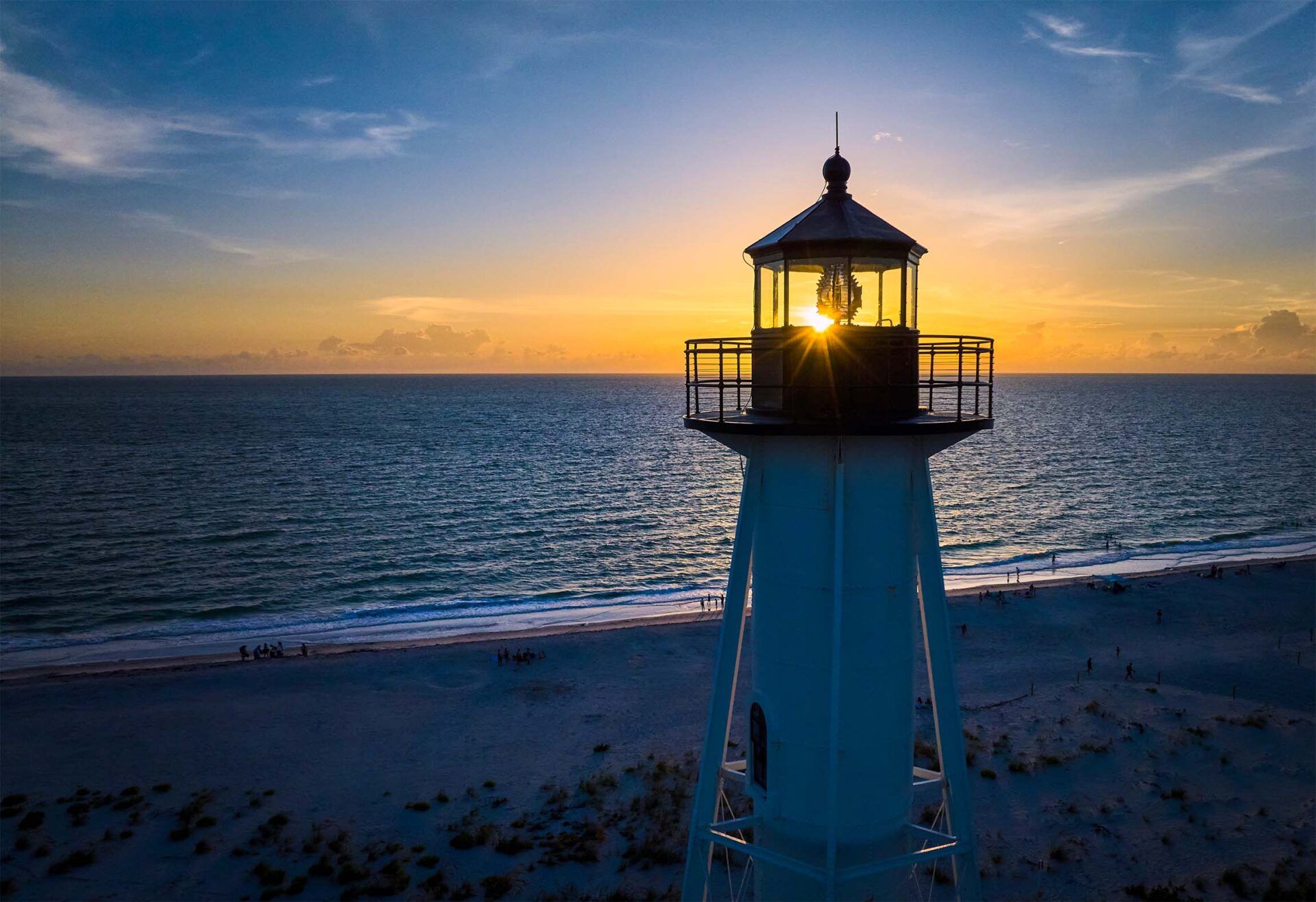
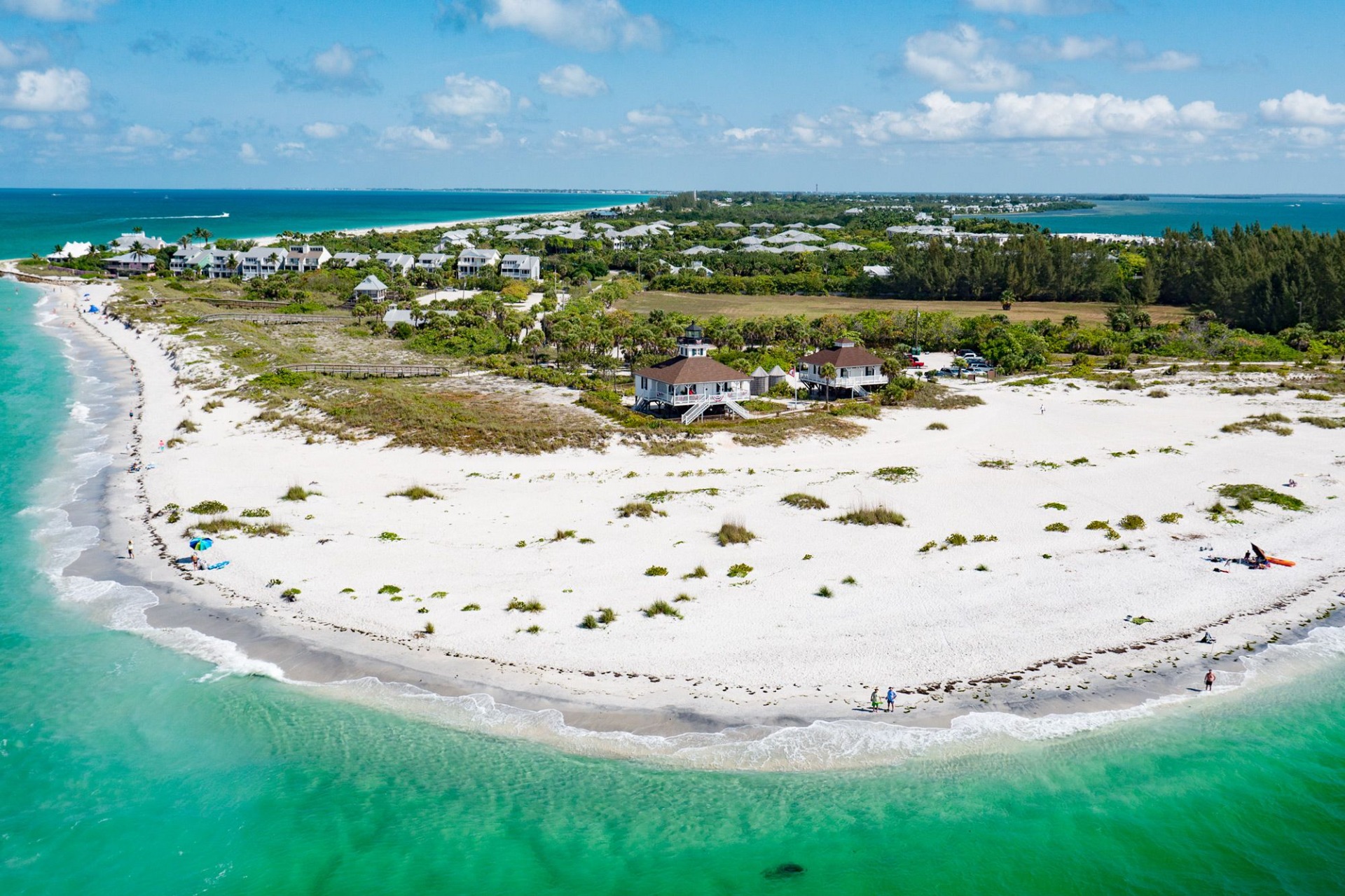
- <b>The lighthouse museum walk</b> at the island's south end, inside Gasparilla Island State Park, is a stand-outside-and-look activity that's genuinely pleasant in December and miserable in August.
- <b>Stargazing</b> improves too — Gasparilla Island has no streetlights year-round, but winter's lower humidity and clearer air make for sharper night skies than the thick, hazy summer atmosphere.
- <b>Golf at the Gasparilla Inn Golf Course</b>, when open to public play, is a cool-season activity on this coast more than a summer one.
What should you actually pack for a Boca Grande winter trip?
This is the detail first-time winter visitors get wrong, because they pack for the Florida they already know — the hot, humid, sunscreen-only version. Mornings in December and January genuinely call for a light jacket or long sleeves, especially if you're out at dawn for shelling or fishing. It warms up fast by midday, so layers matter more than any single heavy item. Bring closed shoes for the bike path and lighthouse walk; sandals are fine on the sand but less comfortable on pavement at 55°F than they are at 85°F.
Pack for the water separately from the air. Gulf water temperatures in winter drop enough that swimming is a shorter, brisker activity than a July dip, and some families skip it entirely in favor of wading and shelling. A wetsuit top is overkill for most trips but not a bad call for anyone planning a long morning in the water.
What do you give up by skipping tarpon season?
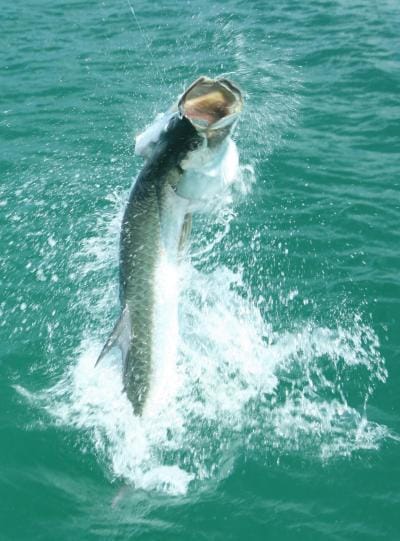
The obvious one: you won't see the pass full of boats working the tide, and you can't book a tarpon charter, since the fish aren't there. If watching or fishing the tarpon run is the actual point of your trip, come in May or June and budget for it — see our guide to <a href="/blog/tarpon-fishing-boca-grande/">tarpon fishing in Boca Grande Pass</a> for season detail and charter advice. But Charlotte Harbor's inshore fishery — snook, redfish, spotted seatrout — runs year-round and is arguably the better family fishing trip regardless of season, since the fights are shorter and the boats are calmer.
Where should a family stay for a winter trip?
The same logic that applies year-round applies more in winter: staying on the mainland at Placida or Cape Haze gets a family more house for less money than the limited inventory on the island itself, and puts Gasparilla Island State Park, the lighthouse, the bike path, and the village within a short drive over the causeway.
<a href="/seaside-boca/">Seaside Boca</a>, our Key West-style home in Placida, sleeps 10 across 3 bedrooms plus a bunk room and 3.5 baths, with a resort-style pool, hot tub, infrared sauna, private mini golf, volleyball and soccer courts, a game room, fire pit, and dock access. In winter the pool and hot tub both still work in your favor — heated pool use is one of the quiet perks of a cool-season Florida trip that summer visitors never think about. For the wider mainland picture, our guide to <a href="/blog/port-charlotte-cape-haze-guide/">Port Charlotte, Placida, and Cape Haze</a> covers the area beyond the island itself, and our <a href="/blog/boca-grande-family-guide/">Boca Grande family guide</a> is the year-round overview this post narrows into one season.
A winter day plan that actually works
- <b>7:30 am</b> — Cross the causeway early, low tide, and walk the Gulf beach with a mesh bag for shells.
- <b>9:30 am</b> — Lighthouse and museum, then the walk out to the point for the pass view — comfortable in the cool morning air.
- <b>11:00 am</b> — Bikes on the Boca Grande Bike Path into the village for lunch.
- <b>1:30 pm</b> — Back to the house. Winter afternoons don't force an indoor retreat the way summer storms do — pool time or a second beach stop both work.
- <b>7:00 pm</b> — Clear winter sky, zero streetlights on the island. Bring a blanket back to the beach after dinner.
Boca Grande winter questions families ask
What's the best month to visit Boca Grande for shelling?
Winter through early spring — roughly December through March — when cooler water and calmer surf leave more intact shells on the Gulf beaches inside Gasparilla Island State Park. Walk the tide line early, near low tide, with a mesh bag.
Is Boca Grande cheaper in winter than in tarpon season?
Generally yes. The May-June tarpon peak drives the island's highest lodging demand as anglers book marinas and charters months ahead. Winter (December-April) carries dry, comfortable weather at rates below that peak, though hurricane season (September-November) is typically the single cheapest window.
Does it rain a lot in Boca Grande in winter?
No — winter is the dry season on this coast. NOAA climate normals for the nearest long-record station show roughly a quarter of the monthly rainfall in December-February compared to the June-September wet season.
Can you still fish in Boca Grande in winter?
Yes, though not for tarpon, which stage in Boca Grande Pass roughly April through August. Charlotte Harbor's inshore fishery for snook, redfish, and spotted seatrout runs year-round and is generally a better-suited trip for families with children regardless of season.
Are there fewer crowds in Boca Grande in winter?
Yes, relative to the April-August tarpon season, though Florida's traditional snowbird season overlaps with winter, so the village stays active with restaurants and shops open — just without the marina and causeway traffic that comes with the fishery.

Travel DRD - Free Land Vacations — IATA certified, IATAN and ASTA members, hosting families since 2007. We manage every home in this collection ourselves.
Last updated: July 16, 2026