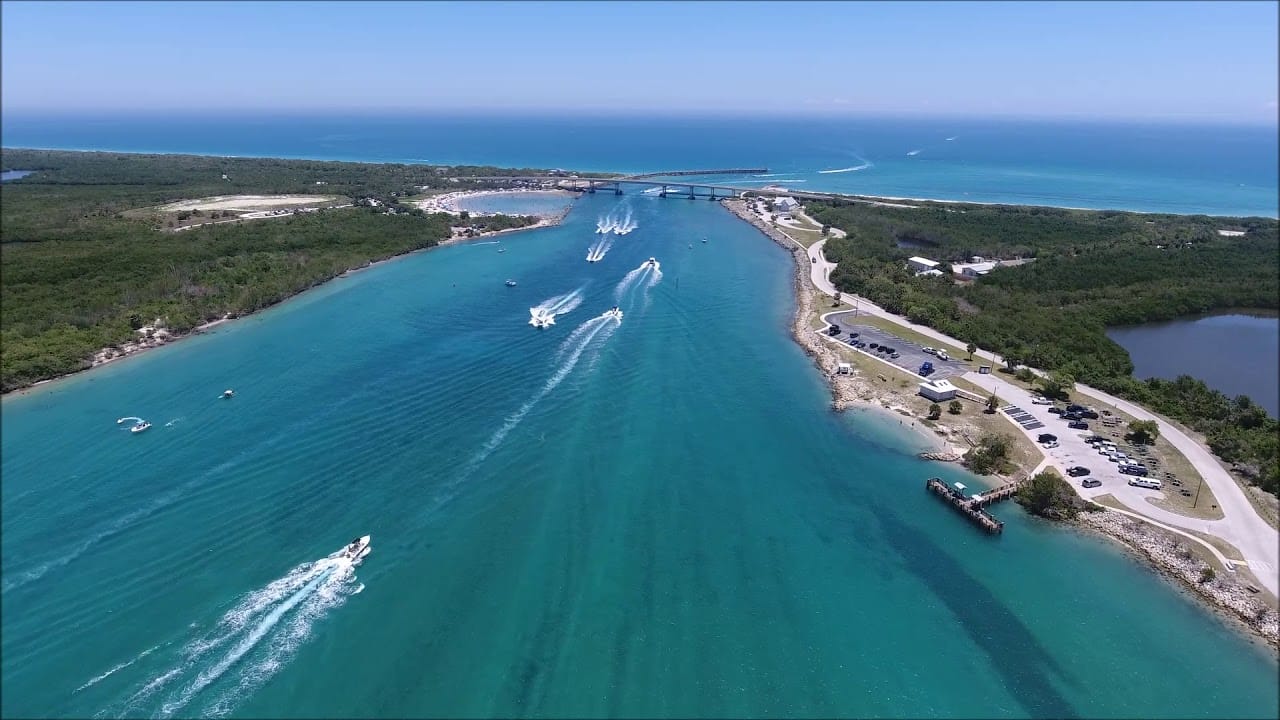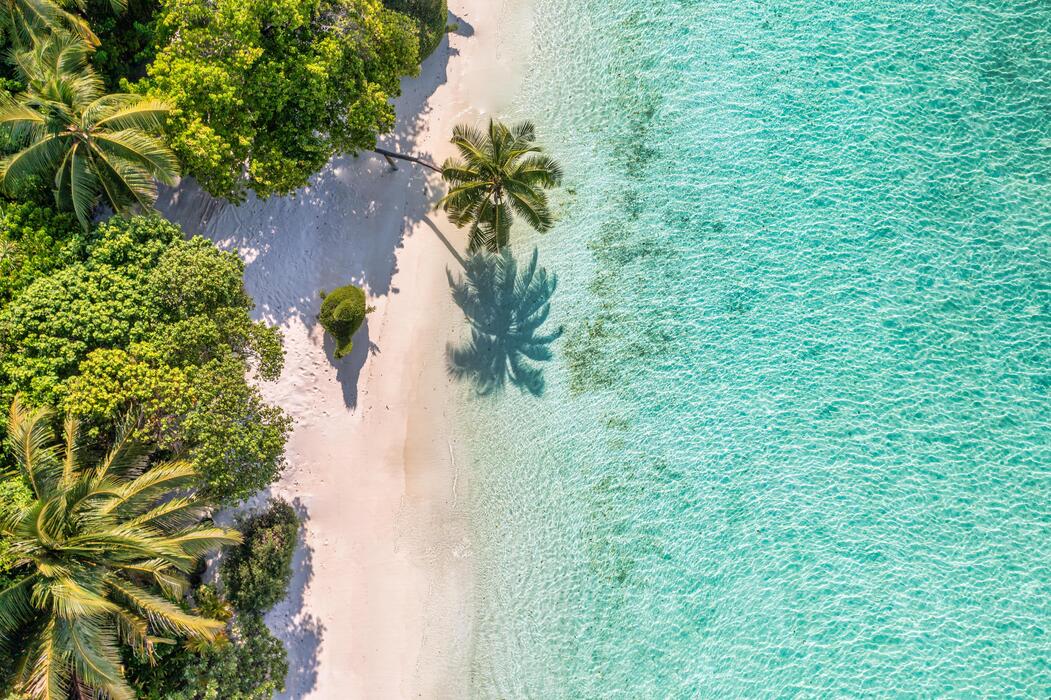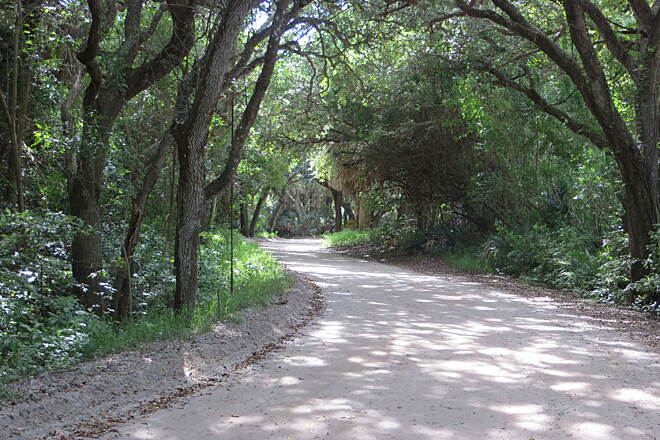
The Historic Jungle Trail is an unpaved 1920s-era road on Orchid Island in Vero Beach, Florida, listed on the National Register of Historic Places. It runs beneath a canopy of oaks and palms along the Indian River Lagoon, passing mangrove shoreline, historic Jones Pier, and trail access to overlooks of Pelican Island National Wildlife Refuge. Families can drive it slowly or, better, ride bikes; it is free, open in daylight hours, and best in the cooler morning.
There is a road on Orchid Island where the pavement simply ends and the twenty-first century politely waits behind you. The Historic Jungle Trail is a sand-and-shell road laid out in the 1920s to serve the citrus groves that once covered this barrier island, and it still runs today the way it did then — unpaved, shaded, and slow. It sits on the National Register of Historic Places, which is a rare honor for a dirt road, and it earns it.
We've been sending guest families down this road for years, and it's one of the few outings that works for everyone at once: toddlers in bike seats, grandparents who want a gentle walk, teenagers who claim to be bored and then spend twenty minutes watching an osprey. This is our honest guide to doing it well.
What Exactly Is the Jungle Trail?
The Jungle Trail is a historic unpaved road running along the western edge of Orchid Island, hugging the Indian River Lagoon north of Vero Beach. In the citrus era it was the working road of the island — growers hauled fruit along it from grove to dock. When the modern highway (A1A) took over, the old road survived, and Indian River County eventually protected it as a historic and recreational corridor rather than letting it be paved or developed over.
What that means for a visitor: you get several miles of soft, packed sand road under a genuine canopy — live oaks, cabbage palms, sea grapes, and tangles of vines that close overhead in stretches and open onto lagoon views in others. Cars are allowed but scarce and slow. Most of the traffic is bicycles, joggers, dog walkers, and people with binoculars.
Should You Bike It or Drive It?
Bike it if you possibly can. The surface is packed sand and shell — fine for any bike with reasonably wide tires, less fun on a skinny-tired road bike, especially after heavy rain when soft patches appear. The road is flat, as all of coastal Florida is, so even casual riders and kids handle it easily. Riding lets you actually stop for the things worth stopping for, which is the whole point.
Driving works too, and it's the right call for family members with limited mobility. Keep it slow — the speed limit is low, the road is narrow, and cyclists and walkers share every foot of it. A regular car is fine in dry conditions; you do not need anything special. Just expect dust, and yield generously.
- Go in the morning: cooler air, better light on the lagoon, and the most bird activity.
- Bring water — there are no stores, fountains, or facilities along the trail itself.
- Bug spray matters here more than at the beach; you are riding through maritime hammock and mangrove edge.
- Watch the ground as much as the canopy: gopher tortoises cross the road, and they always have the right of way.
What You Actually See Along the Way
The scenery alternates between tunnel and window. In the tunnel stretches, the hammock closes over the road and the temperature drops noticeably — you can feel why locals prized this road in the era before air conditioning. In the window stretches, the mangroves part and you get long views across the Indian River Lagoon, one of the most biologically diverse estuaries in North America. Mullet jump, herons and egrets stalk the shallows, and if you're patient you may spot a dolphin fin or the slow swirl of a manatee in the warmer months.
The historic landmarks are modest and better for it. Jones Pier, along the trail, is generally cited as the oldest pier on this stretch of the lagoon and marks a homestead site tied to one of the island's pioneering families; the county has preserved the area as a conservation site with interpretive signs. Elsewhere you pass remnants of the old grove economy — this island was once famous for its citrus, which is where the name Orchid Island's neighbor community, Wabasso, and the whole fruit-stand culture of the region come from. If you want to build a full day around the area, our Orchid Island family guide covers what to pair it with.
The Pelican Island Refuge Overlooks
The best reason to ride the northern portion of the trail is Pelican Island National Wildlife Refuge. From access points along and near the Jungle Trail, foot trails lead out to overlooks — including an elevated viewing platform — facing the small mangrove island where American wildlife protection effectively began. The island itself is closed to landing to protect nesting birds, so the overlooks are the way to see it, and a pair of binoculars turns a nice view into a great one: pelicans, wood storks, ibis, spoonbills in season.
Tell kids that fact before you walk out to the platform, not after. Standing at a railing looking at a small green island means more when they know every wildlife refuge in America traces back to it.
Rules, Hours, and Trail Etiquette
- The trail is open during daylight hours; there is no fee to use it.
- Motor vehicles are permitted but must go slow — treat it as a shared path that happens to allow cars.
- Pets are welcome on leash. Bring bags; there are few amenities.
- Pack out everything. There are limited trash facilities along the route.
- Do not disturb wildlife or enter posted conservation areas; the refuge island itself is off-limits to landing.
- Parking is at designated access points at either end and at trailheads — don't block the road or private drives.
The Jungle Trail rewards exactly the speed it demands: go slow, and it gives you everything.
How Families Make It Work With Kids
Our honest advice: don't set out to do the whole length with young children. Pick one segment — the northern section near the refuge access is our usual recommendation — ride out until the first complaint, look at birds, and ride back. That's a complete, successful outing. Older kids can handle the full trail, and it's a genuinely good bike ride: flat, shaded, and interesting the entire way, which is more than most rail-trails can say.
Pair it with a swim. The trail is on the lagoon side of the island, and the ocean beaches are a short drive across A1A, so the classic family morning is trail first (cool, shady, wildlife active), beach second (once the sun is fully up), lunch third. It's the same rhythm we suggest for quiet-season trips on our Gulf coast — the thinking in our <a href="/blog/boca-grande-winter-shelling-season/">Boca Grande winter guide</a> about beating the heat and the crowds by going early applies word for word here.
Doing the Trail From a Nearby Home
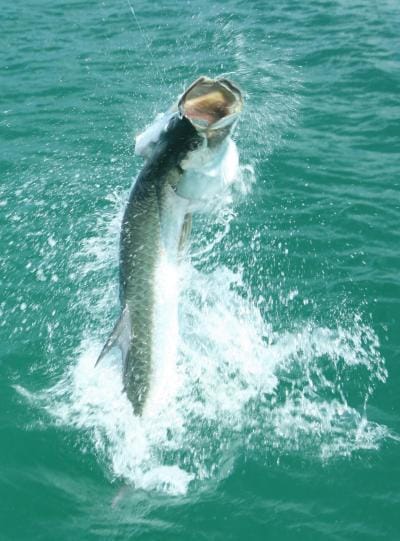
This is one of those outings that changes character depending on where you wake up. From a hotel across town it's an excursion you have to plan; from a home in the Vero Beach area it's just what you do before breakfast. Guests at our Vero Oaks home often make the trail a repeat ritual — first visit to scout it, second visit with binoculars and a picnic, third visit because the kids asked. Load the bikes the night before, go at first light, and you'll have long stretches of canopy entirely to yourselves. And if the trail puts your crew in an on-the-water mood, saltwater fishing runs deep in our family — our tarpon charter guide explains how we approach booking with kids, and the same logic works with Vero's local guides on the lagoon.
Eighteen years of hosting has taught us that the outings guests remember aren't the expensive ones. They're the ones with texture — a sand road, a wall of green, a pelican gliding low over water that looks the way it did a century ago. The Jungle Trail is exactly that, and it's free.
Jungle Trail Questions Our Guests Ask
How long is the Jungle Trail and how long does it take?
The trail runs several miles along the west side of Orchid Island. A relaxed family bike ride of one section with stops takes about an hour; ambitious riders doing the full out-and-back should plan a half morning. Driving it slowly end to end takes well under an hour.
Can you drive a regular car on the Jungle Trail?
Yes. It's an unpaved public road of packed sand and shell, fine for ordinary cars in dry conditions. Drive slowly, expect cyclists and walkers around every bend, and note that heavy rain can soften some stretches.
Is the Jungle Trail good for young kids on bikes?
Yes, with the usual caveats. It's flat and shaded with very light, slow car traffic, so confident young riders and kids in bike seats do well. Pick one segment rather than attempting the full length, go in the morning, and bring water since there are no facilities on the trail.
Can you visit Pelican Island itself?
No — the refuge island is closed to landing to protect nesting birds. You view it from overlooks and an observation platform reached by foot trails near the Jungle Trail, which is genuinely the best vantage anyway. Bring binoculars.
Does the Jungle Trail cost anything or require a permit?
No. It's a free public road open during daylight hours, and the nearby refuge overlook trails are also free. Parking is available at designated access points and trailheads.
When is the best time of year to do it?
It's an evergreen outing, but cooler months are the most comfortable and bring strong bird activity, while summer visits should happen early in the morning before heat and insects peak. After heavy rain, give the sand road a day to firm up if you're on skinny tires.

Travel DRD - Free Land Vacations — IATA certified, IATAN and ASTA members, hosting families since 2007. We manage every home in this collection ourselves.
Last updated: July 18, 2026